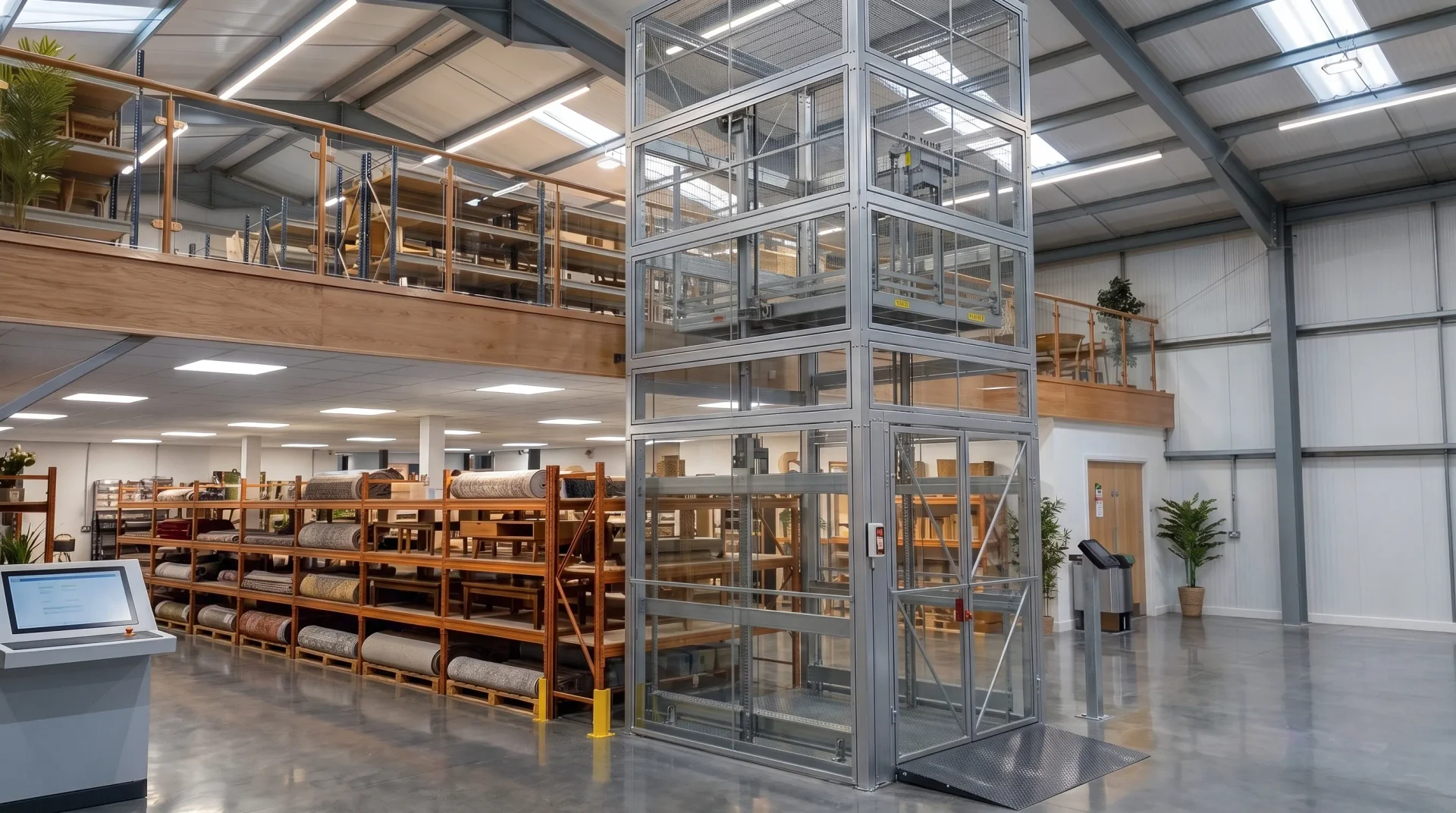
Material Lifts in Oregon
Move stock, cases and heavy goods between floors without carrying them. For stockrooms, mezzanines, basements and small commercial buildings across Oregon.
Four generations. Every lift we install, we service for life.
Stop Carrying Stock Up and Down Stairs
In most small commercial buildings, goods move between floors on somebody's back. Cases of stock from a basement. Boxes to a mezzanine. Equipment, supplies, deliveries.
It is slow and it is where people get hurt.
Manual handling on stairs is behind a large share of workplace injuries, and it happens most often with awkward loads in buildings never designed for the traffic.
A material lift takes those trips off the staircase. The load goes on the carriage, someone presses a button from outside the enclosure, and it arrives at the other level. Nobody carries anything up stairs.
What Is a Material Lift?
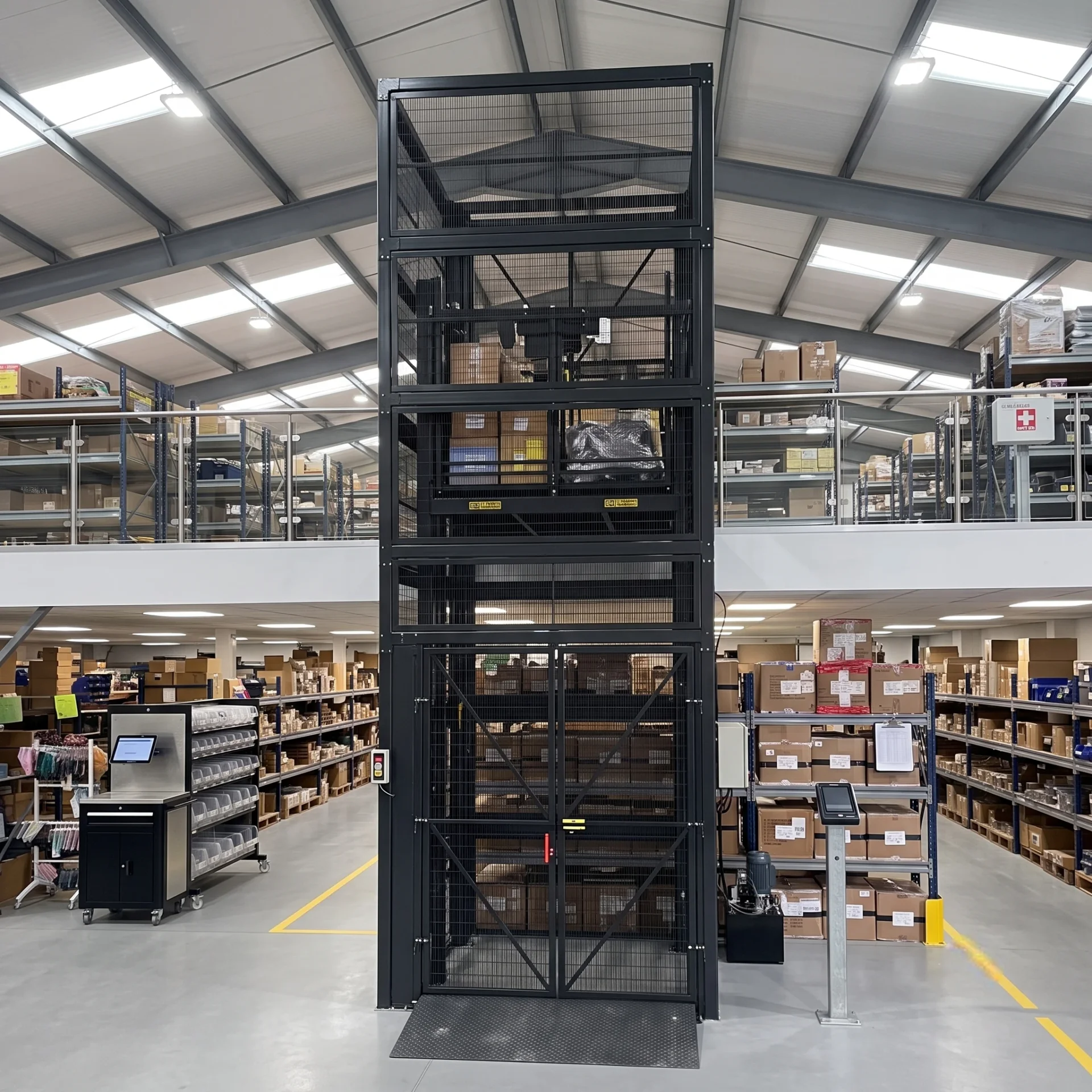
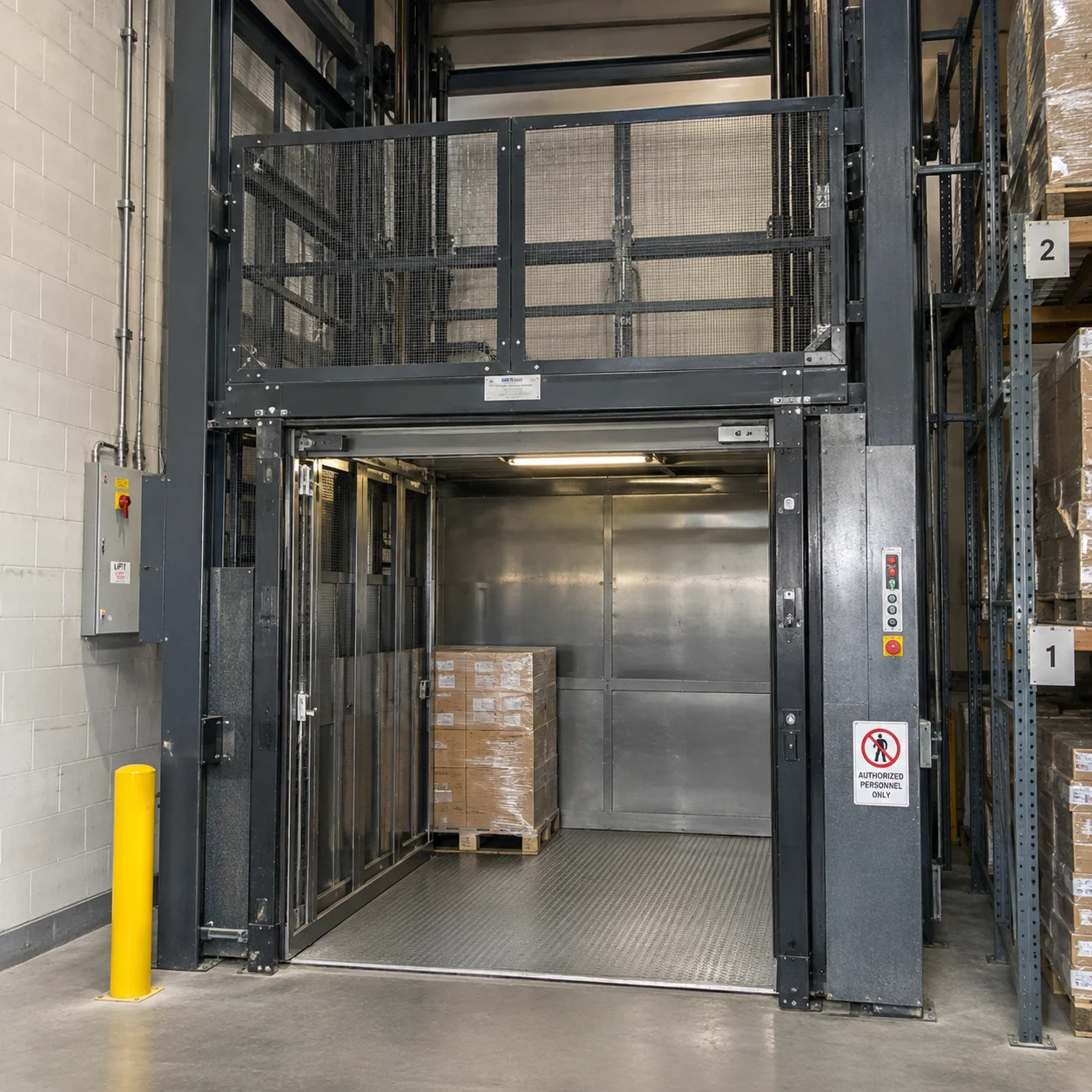
A material lift raises and lowers goods between levels on a carriage running up guide columns, inside a protective enclosure. It is sometimes called a mezzanine lift, a freight lift, or a vertical reciprocating conveyor.
It resembles a small freight elevator but is a different piece of equipment under different rules.
The distinction that matters.
Material lifts carry goods only and are never used to carry people. Because of that they are exempt from the national elevator code and fall under ASME B20.1, the conveyor safety standard, rather than ASME A17.1.
That exemption is why a material lift costs a fraction of a freight elevator. No elevator shaft, no elevator permitting, no elevator inspection regime. If you are moving goods rather than people, an elevator is the wrong purchase.
Where Material Lifts Are Used
Stockrooms and retail
Stock between a basement or upper stockroom and a sales floor, where loads are beyond what a dumbwaiter handles.
Mezzanines
Goods to and from a mezzanine without anyone climbing stairs with a load.
Basements
Deliveries landing at street level that need to go down, or stock that lives below and needs to come up.
Workshops and light production
Materials and finished work between levels.
Warehousing
Cases, cartons and cart loads between floors in smaller facilities.
Through-floor and existing shafts
Material lifts can be installed through a floor opening and sometimes into a disused elevator shaft, which is often the cheapest way to bring an old building back into use.
Capacities and Configurations
Material lifts are specified to the job rather than picked from a catalogue. Carriage size, capacity, rise, number of levels and gate positions are all designed around what you are actually moving.
What we need to know to specify one:
The load
Weight, dimensions, and whether it travels loose, boxed, on a cart or on a pallet. Carriage size is usually driven by the shape of the load rather than the weight.
The rise and the levels
How far it travels and how many landings it serves.
How often
A lift used a few times a day is specified differently from one cycling constantly through a shift.
Where
Indoors or out, through a floor, at the edge of a mezzanine, or into an existing shaft.
Loading and unloading
Which sides need gates, and whether loads arrive on a cart, a pallet truck or by hand.
How Material Lifts Are Made Safe
Full enclosure
The lift runs inside a mesh enclosure so nobody can reach into the path of the carriage while it moves.
Interlocked gates at every level
Gates are electrically and mechanically interlocked with the carriage. The lift will not run with a gate open, and a gate will not open unless the carriage is at that level.
Protection against uncontrolled descent
Safety devices arrest the carriage if it descends uncontrolled.
Overtravel protection
Limits stop the carriage travelling beyond its top and bottom landings.
Controls outside the enclosure
Operation is from a control station outside the gate, so nobody is inside the enclosure when the lift moves.
Never for people.
Material lifts are goods-only equipment, and their exemption from the elevator code depends on that. Riding one is dangerous and is a code violation.
It belongs in staff briefing rather than on a sign nobody reads.
What Code Applies to Material Lifts?
Material lifts fall under ASME B20.1, the Safety Standard for Conveyors and Related Equipment, and are specifically exempt from ASME A17.1, the elevator code, because they carry materials rather than people.
Why that matters
The exemption is what makes the equipment affordable, and it also means the permitting and inspection path differs from an elevator.
In some jurisdictions material lifts are handled by a different authority entirely.
What we do about it
Requirements vary, and Oregon's treatment needs confirming for your specific installation.
We establish that before anything is ordered, because these are made-to-order units with long lead times and a wrong assumption is expensive.
What If It Is Smaller or Bigger?
We would rather point you at the cheaper equipment than sell you more than the job needs.
Smaller loads in an enclosed shaft
A dumbwaiter is simpler and cheaper. Food, files, linen, stock up to around 500 lb.
People as well as goods
If anyone needs to travel with the load, you need an elevator. No material lift carries passengers.
Why Oregon Buildings Call Us
We specify it properly
Material lifts are made to order with long lead times. Getting carriage size, capacity, rise and gate positions right at order stage is the whole job, because there is no adjusting it once it arrives.
We service it afterwards
Material lifts run hard and get ignored until they stop. We maintain what we install and service other brands.
We know the code split
B20.1 rather than the elevator code, and a different permitting path. We confirm what your jurisdiction requires rather than assuming.
We are an elevator company
The same licensed technicians who work on elevators across Oregon look after your material lift, rather than a supplier who ships equipment and leaves.
Serving all of Oregon
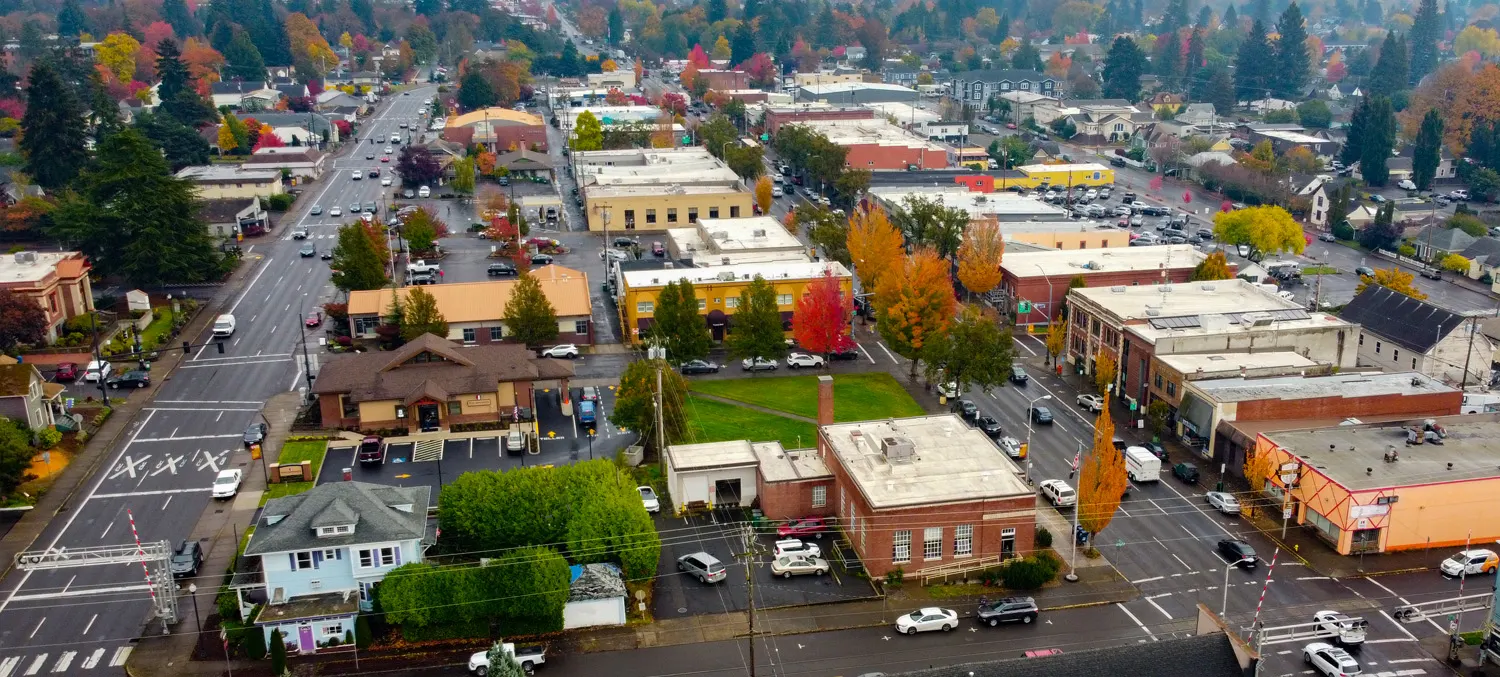
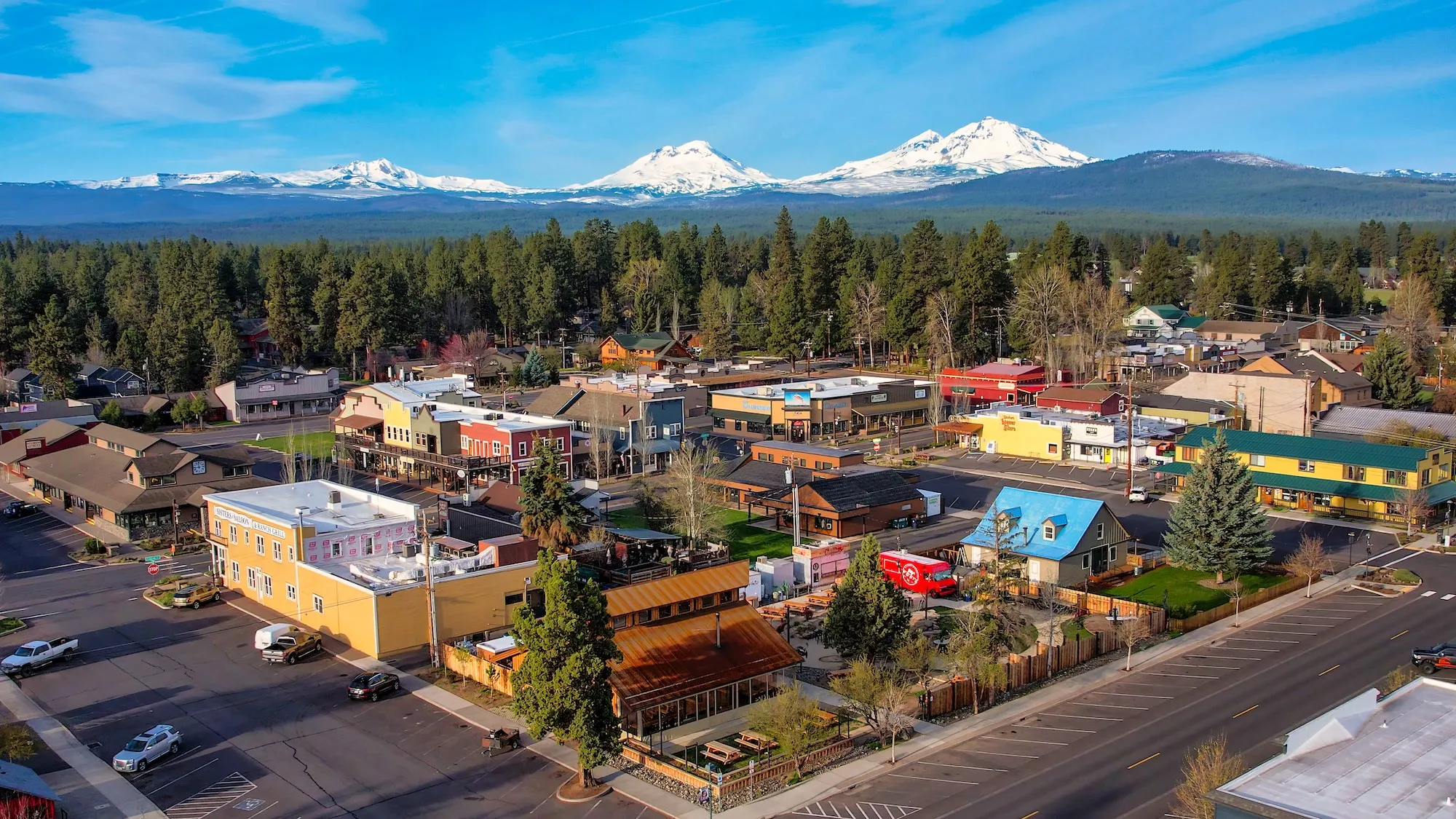
From the coast to the valley to the gorge, we travel across Oregon to install and service elevators. Find your area below.




Ready to talk about material lifts?
Tell us what you are lifting, how heavy it is, how far it needs to go and how often. We will tell you what does the job. Four generations of Oregon elevators behind every answer.