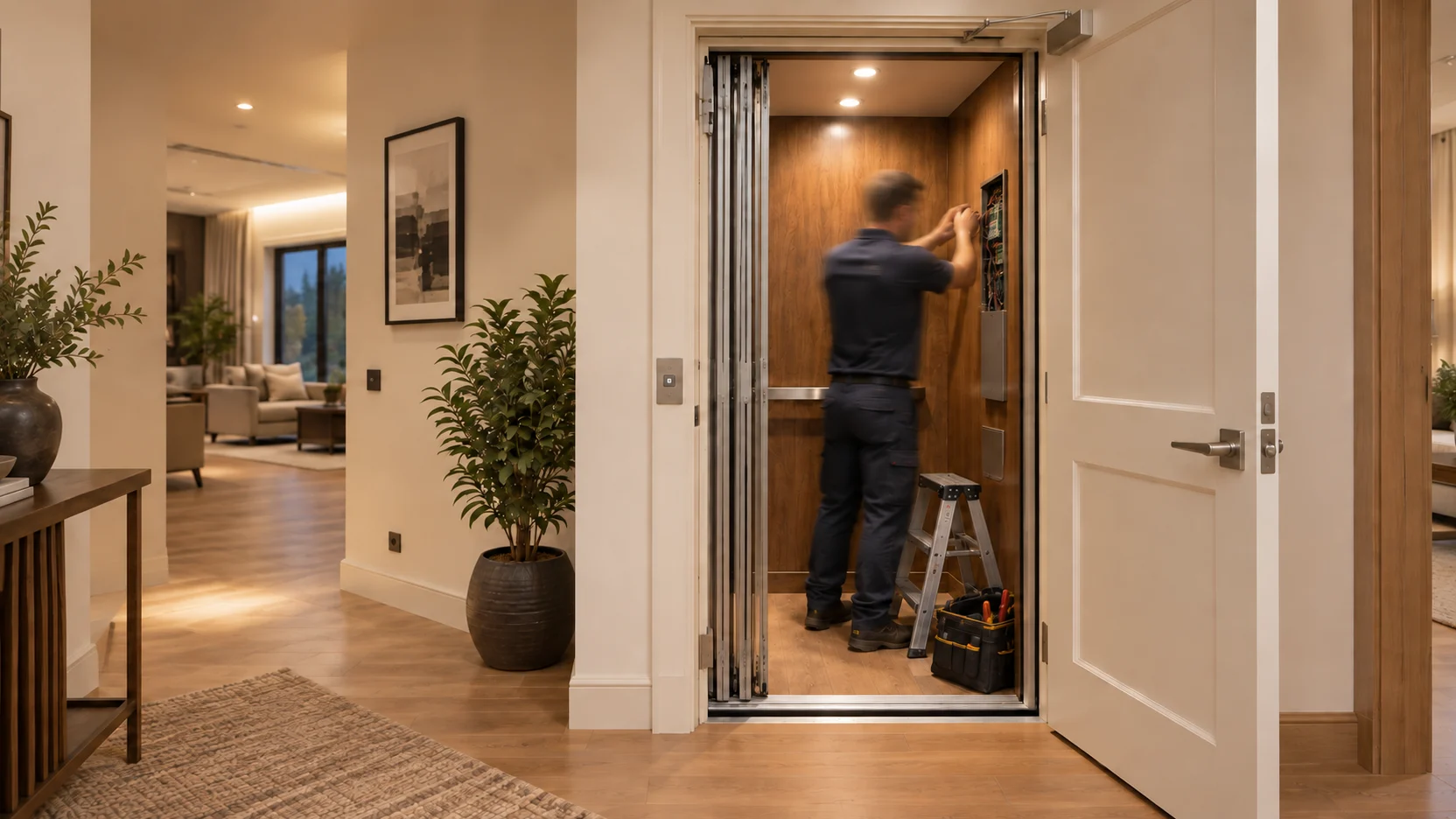
Elevator and Lift Modernization Across Oregon
Older elevators and lifts do not have to always be replaced. We update controls, mechanics and finishes on home and commercial equipment, from a few upgraded parts to a full rebuild. Every brand, including machinery no longer supported.
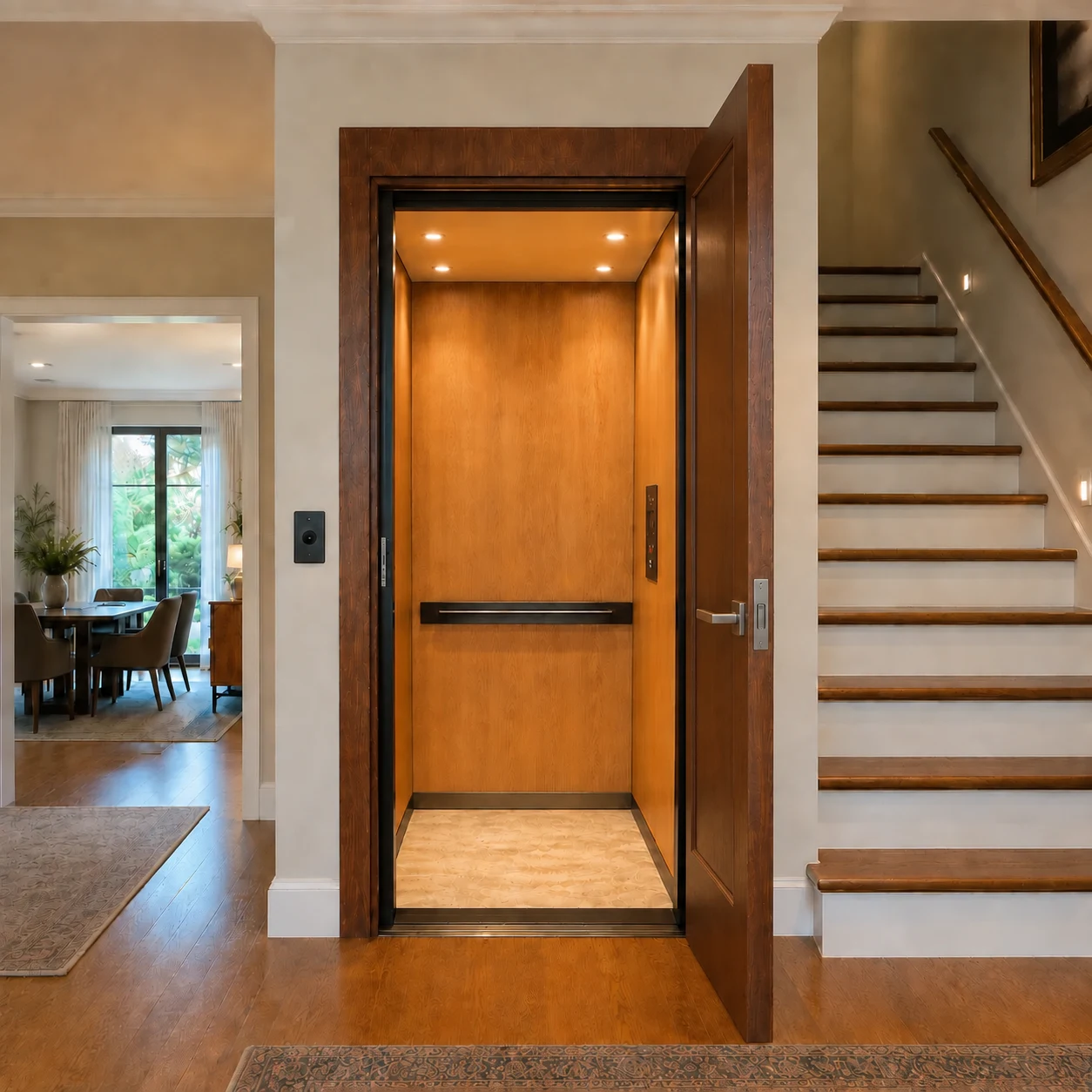
What Is Elevator Modernization?
Elevator modernization is the process of updating an existing elevator's controls, drive system, safety equipment and finishes without replacing the elevator itself. It sits between repeated repairs and full replacement, and for most older equipment it is the sensible answer.
An elevator that is thirty years old is rarely worn out. Usually the hoistway, the rails and the car structure are sound, and it is the controls, the drive and the interior that have aged. Those can be replaced without opening walls or rebuilding the shaft.
Sturm Elevator has modernized homes and buildings across Oregon for four generations. Much of the older equipment still running here was installed decades ago, some of it by us. We work on every manufacturer, including machinery no longer supported, and we source parts nationally and internationally to keep it running.
Talk To Us About ModernizingShould I Repair, Modernize or Replace My Elevator?
Three options, and the right one depends on what is actually failing. Here is how we work it out.
When repair makes sense
A single component has failed and the rest of the equipment is sound. Repair is the right answer when the fault is isolated, parts are available, and the elevator has been reliable otherwise. Fixing one thing on a machine that works is not throwing good money after bad.
When modernization makes sense
The structure is sound but the elevator is unreliable, slow, rough riding, or no longer meets current expectations. Modernization is usually the answer when you are calling for repairs more often than you used to, when parts are getting harder to find, or when the elevator works but feels dated. It costs considerably less than replacement and it does not require rebuilding the shaft.
When replacement makes sense
The shaft itself is wrong, the equipment is beyond economic repair, or the building's needs have changed enough that the existing elevator cannot serve them. Replacement is the honest answer when modernizing would cost close to the price of new equipment, or when capacity, speed or accessibility requirements cannot be met by updating what is there.
A Note On Replacements
If someone has already quoted you for a full replacement, it is worth getting a second opinion first.
Home and Commercial Modernization
We modernize both home elevators and commercial lifts, bringing older equipment up to current standards without the cost or disruption of a full replacement.
What usually needs updating
Controls and drive systems age faster than anything else. A control update alone often fixes reliability, ride quality and speed together. Beyond that, door operators, safety edges, fixtures and cab interiors are the common items.
Bringing older equipment up to current standards
Equipment considered safe when it was installed may not meet current codes. Older home elevators can also fall short on capacity, and standards have changed for wheelchair and walker access. Modernizing is how you bring an older machine up to what is expected now.
Making it look like it belongs
An elevator installed in the eighties looks like it was installed in the eighties. Cab interiors, fixtures, lighting and finishes can be updated to suit the house, with a range of materials and styles to choose from.
Small jobs welcome
Modernization does not have to mean a full rebuild. Sometimes it is a control upgrade and a new cab interior. We will tell you what your equipment actually needs rather than quoting the largest job possible.
Reliability and downtime
Older elevators that break down repeatedly cost money every time maintenance has to call someone out, and emergency callouts cost more than scheduled work. Modernizing the controls and drive is usually what stops the cycle.
Code and accessibility
Equipment that met the standard fifty years ago often does not meet what is required now. Older elevators may not suit wheelchair access or carry the capacity the building's current use demands. Modernization brings the equipment up to current requirements without replacing it.
Energy and running costs
Modern control systems and drives use less energy than equipment from previous decades. On a building elevator running all day, that difference shows up on the bill.
Appearance
Cab interiors can be updated with custom wood, steel and modern surfaces. For a building where the elevator is the first thing a visitor uses, it is worth doing.
Signs Your Elevator Is Ready for Modernization
Elevators rarely fail suddenly. These are the signs that usually come first.
You are calling for repairs more often than you used to
An increase in service calls is the clearest signal. One fault is a repair. A pattern is the equipment telling you something.
Parts are getting harder to find
When components take weeks to source or a manufacturer has stopped supporting the equipment, every future breakdown becomes a longer outage.
The ride has changed
Rough starts, hard stops, judder, or a car that no longer levels reliably usually point to controls and drive rather than a single failed part.
It is slower than it was
Gradual slowing is normal wear in older drive systems and control equipment, and it is one of the most common reasons people modernize.
It does not meet current requirements
Capacity, wheelchair access, door timing and safety equipment have all moved on. Equipment installed decades ago may no longer meet what is expected.
It works, but it looks its age
Sometimes nothing is wrong mechanically and the cab is simply dated. That is a legitimate reason on its own, particularly in a home you are planning to stay in or a building where the elevator is the first impression.
Why Oregon Trusts Us With Older Equipment
Modernization is the part of this trade where knowing old machines matters most. Here is how we do it differently.
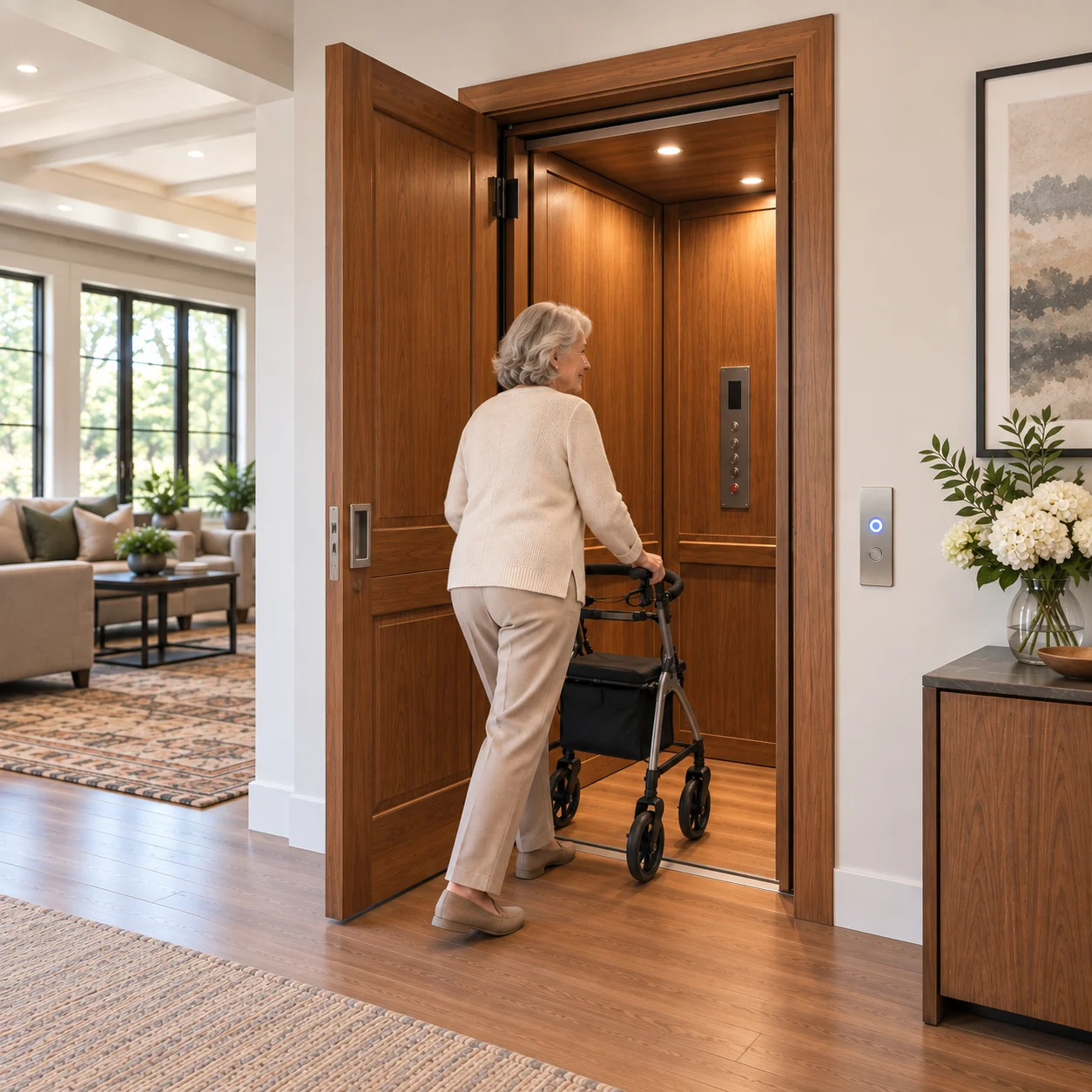
We know what is still running here.
Four generations in one state means we have worked on most of what is still operating in Oregon homes and buildings, including equipment installed long before current systems existed.
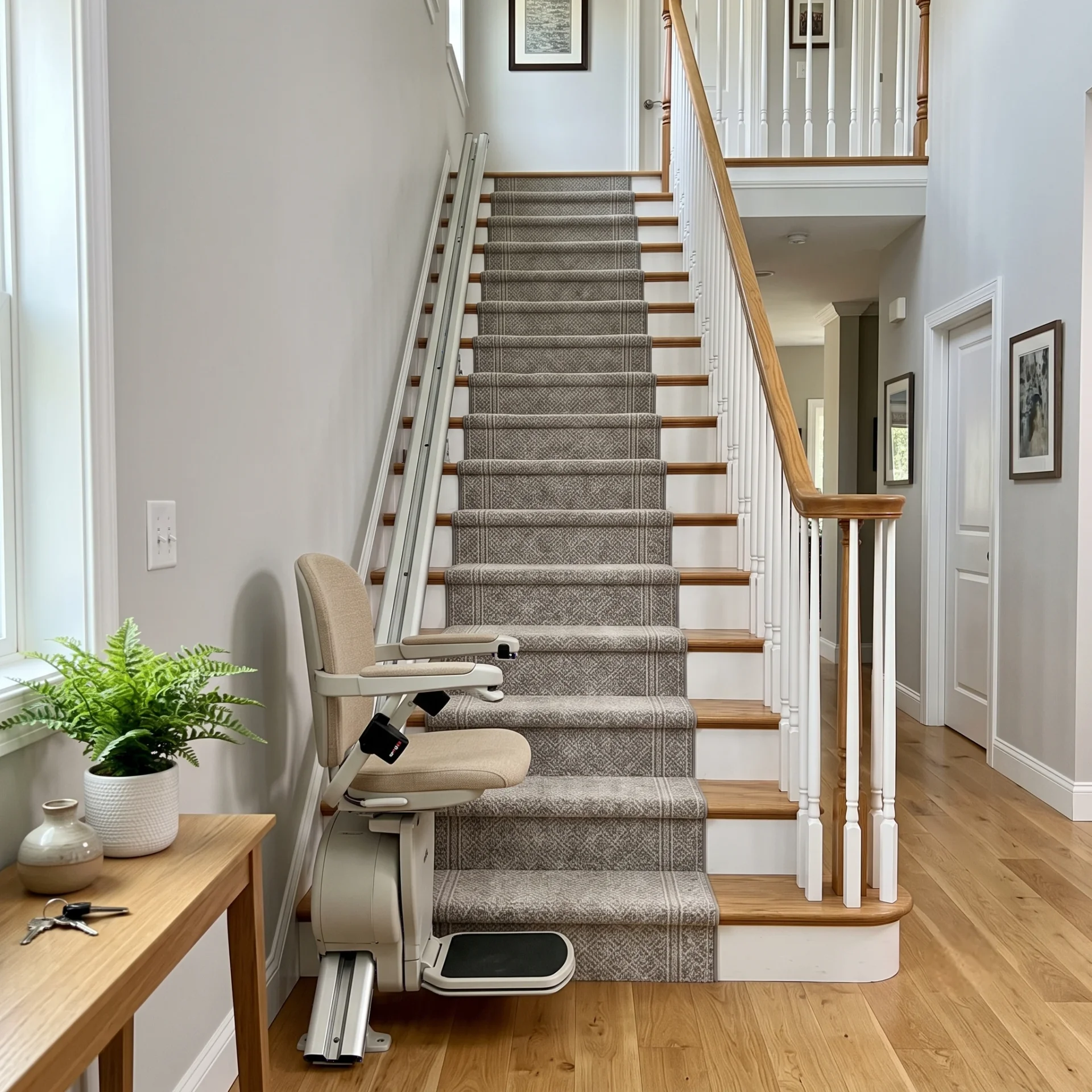
We find parts nobody else can.
Discontinued does not mean unavailable. We source nationally and internationally from distributors we have used for years.
We scope honestly.
Modernization can mean a control upgrade or a full rebuild. We tell you which one your equipment needs, not which one bills the most.
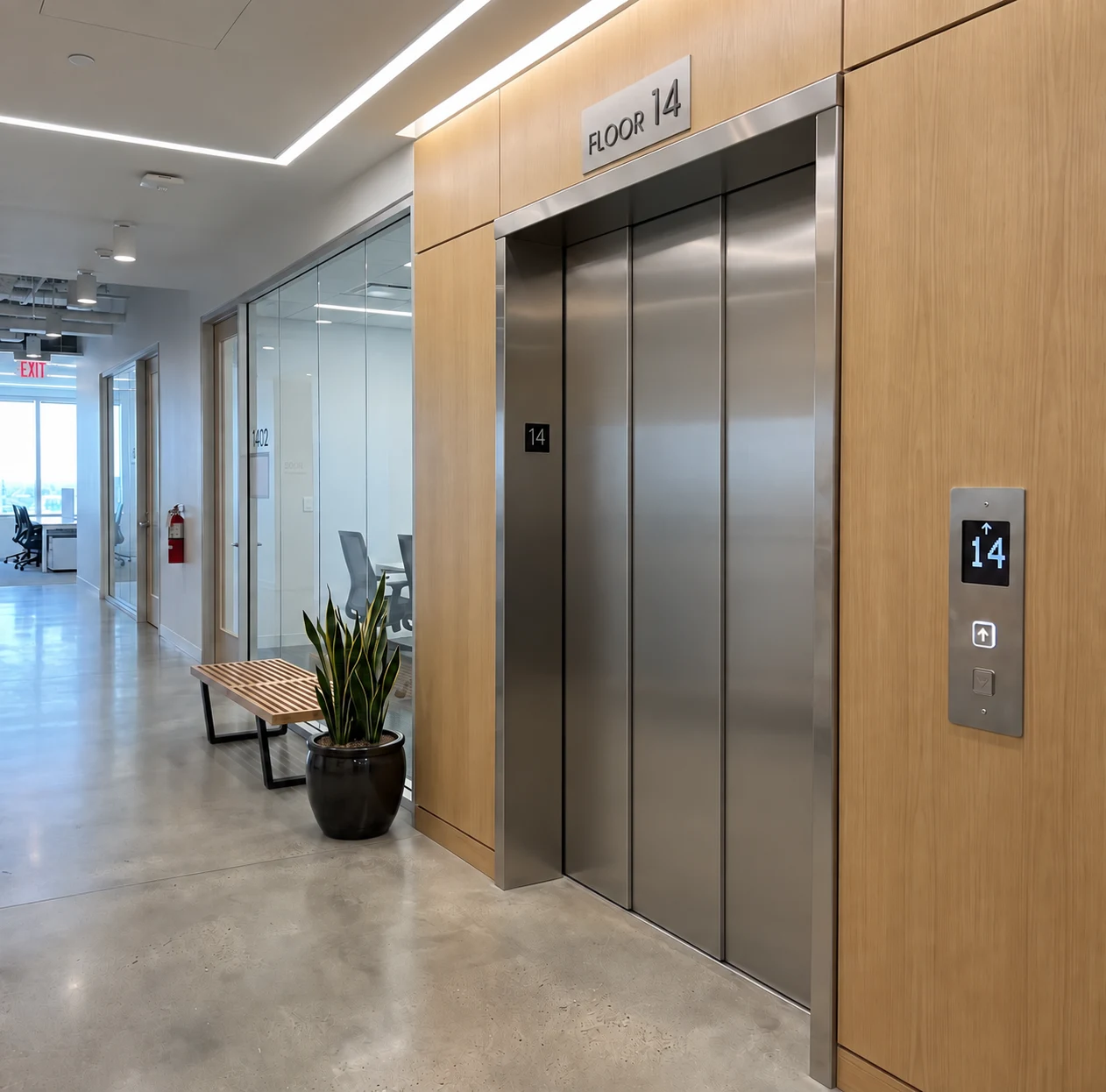
We tell you to replace.
If modernizing costs close to new equipment, or the shaft cannot serve the building, we say so.
Elevator And Lift Modernization Questions
Elevator modernization is the process of updating an existing elevator's controls, drive system, safety equipment and finishes without replacing the elevator or rebuilding the shaft. It typically costs considerably less than full replacement and takes less time.
Still have a question? Tell us the make, roughly how old it is, and what it is doing. We will give you an answer.
Ask an Elevator ExpertReady to talk elevator or lift modernization?
Tell us the make, roughly how old it is, and what it is doing. We will tell you whether it needs repair, modernization or replacement, and we will be honest about which. Four generations of Oregon elevators behind every answer.