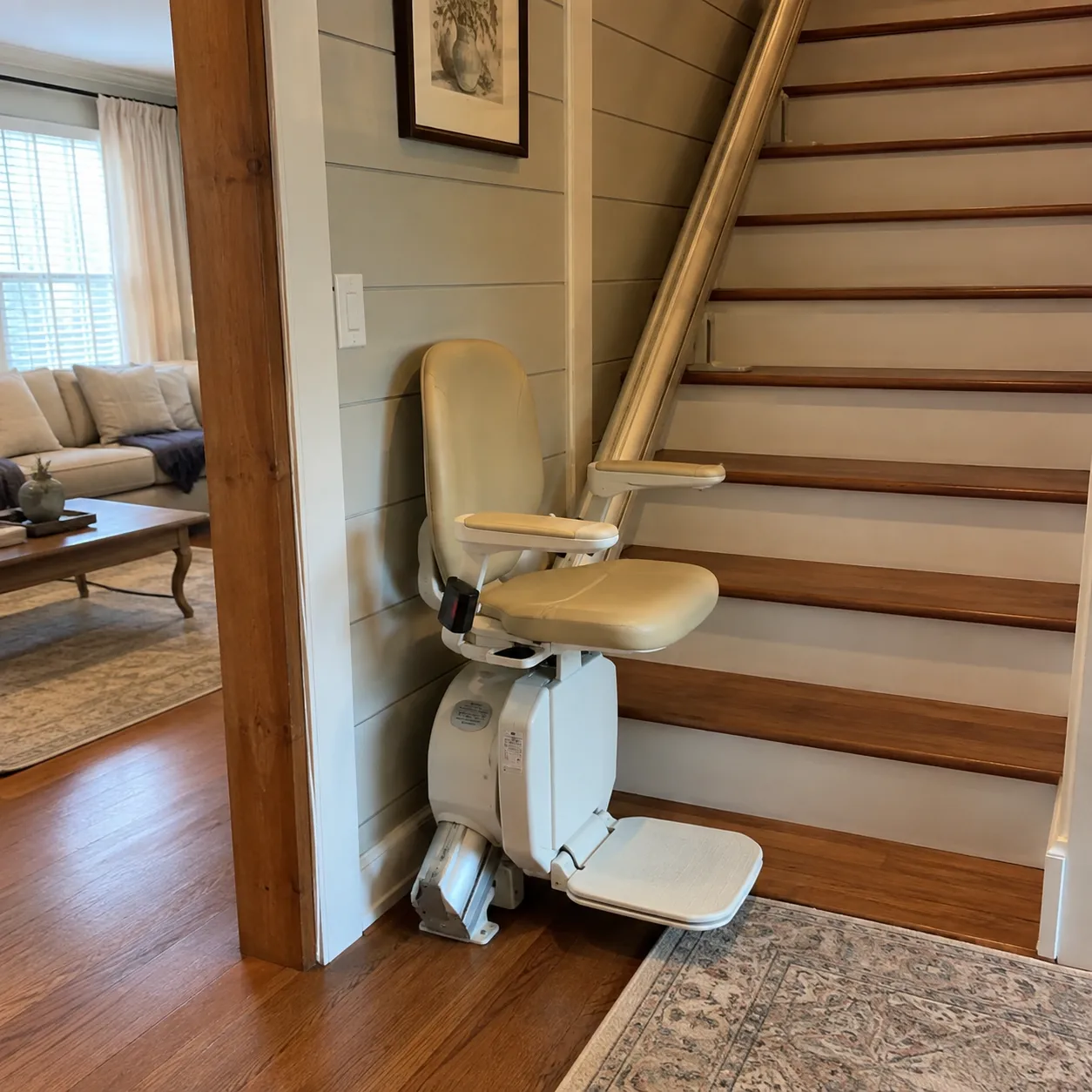
Aging in Place: Staying in the Home You Love
When the stairs get harder, moving is not the only option. Stair lifts, platform lifts and home elevators that keep the whole house usable, so you can stay where you are.
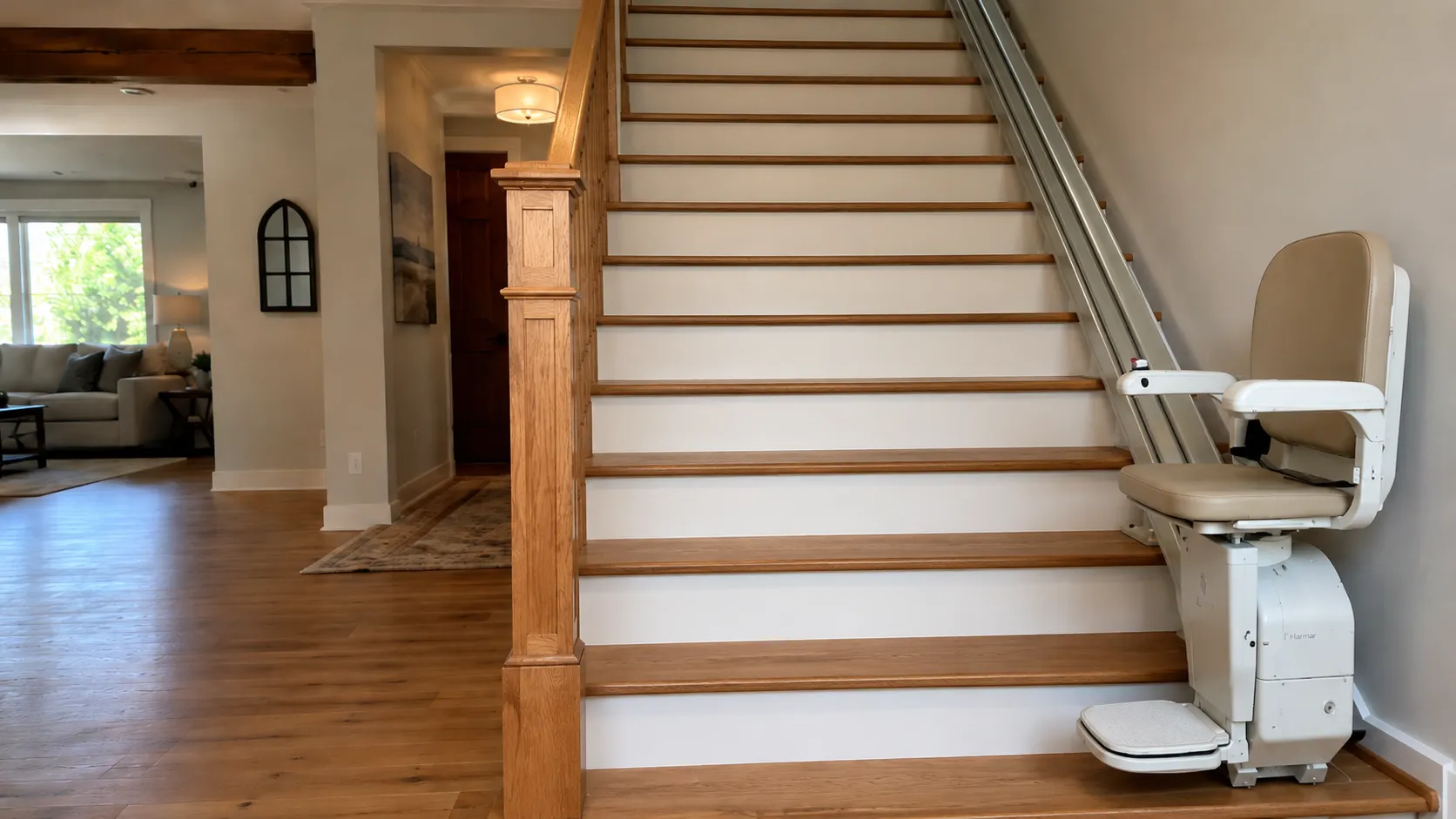
The Stairs Should Not Decide Where You Live
It usually starts small. A handrail gripped a little harder. A rest halfway up. Then the upstairs bathroom becomes a problem, or a bedroom moves down to the front room, and a house that has been home for thirty years starts to feel like it is shrinking.
And then somebody says the word downsizing.
Moving out of a home you love, away from the neighbours, the garden and the memories, because of a staircase, is a hard thing. Often it is not necessary. The right equipment keeps the whole house open to you, and it costs a great deal less than moving, adapting a new place, or the cost of care somewhere else.
You get to stay. That is the point of all of this.
What Keeps the House Usable?
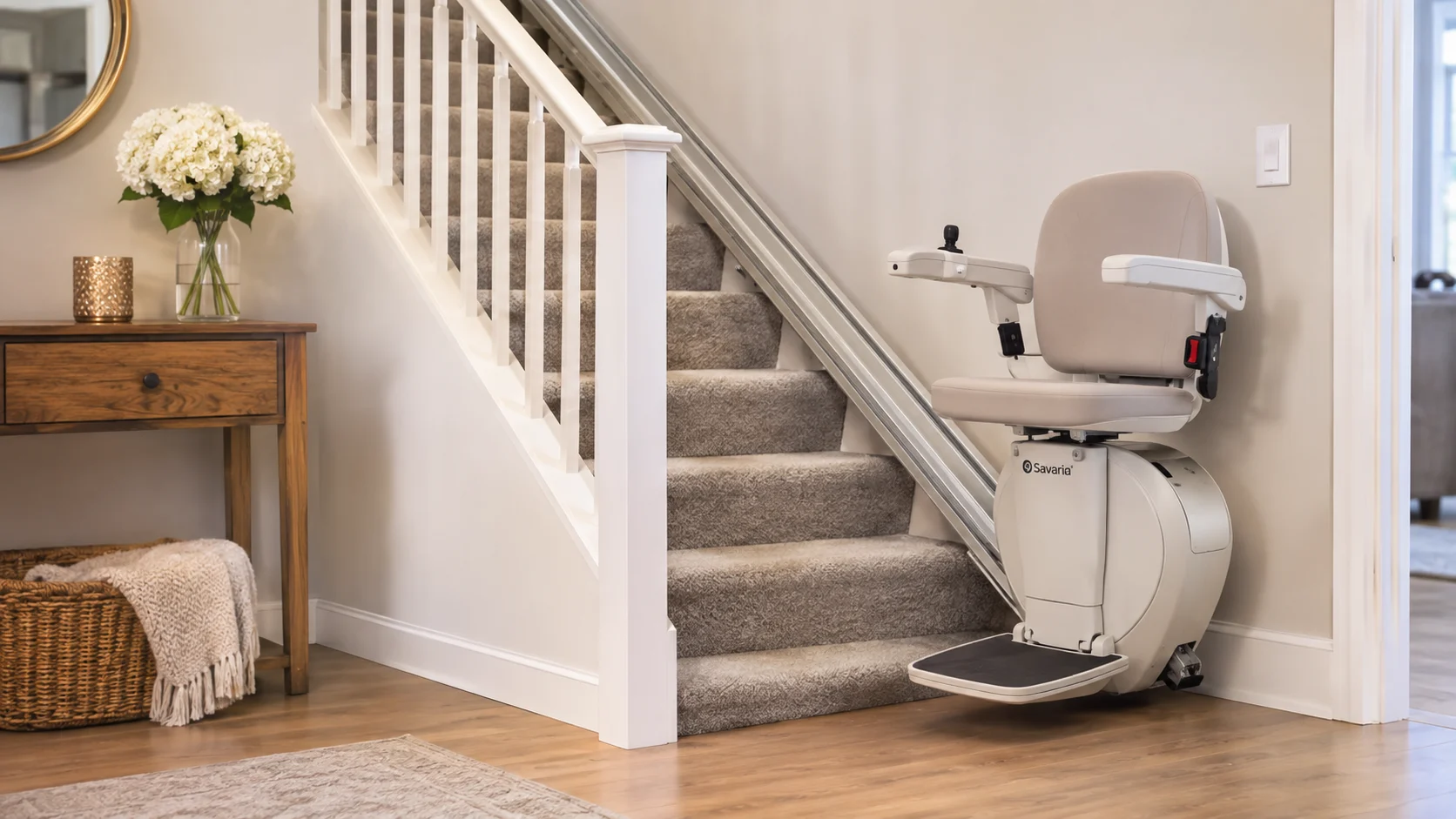
The Best Time Is Before You Need It
Most of this equipment gets fitted after a fall. It works just as well fitted before one, and the conversation is far easier to have while nobody is in hospital.
Planning ahead means you choose calmly rather than in a rush. It means the house is ready before a difficult week forces the issue. And it means someone who is managing now stays independent longer, rather than waiting until they are not.
If you are helping a parent think this through, that is often the kindest version of the conversation: not "you need this," but "let us sort it now, while it is easy."
Helping Someone Else Stay Home
A lot of the people we talk to are not the ones who will use the equipment. They are a son or daughter, often not local, worried about a parent on a staircase and unsure what to do about it.
If that is you, the useful thing to know is that the options are wider and less drastic than they seem. It rarely means a major installation or a torn-up house. Often it is a stair lift fitted in an afternoon that settles the whole worry.
Tell us the situation, including the parts you are unsure about. We will talk you through what fits, honestly, and we are used to having this conversation with families rather than only with the person themselves.
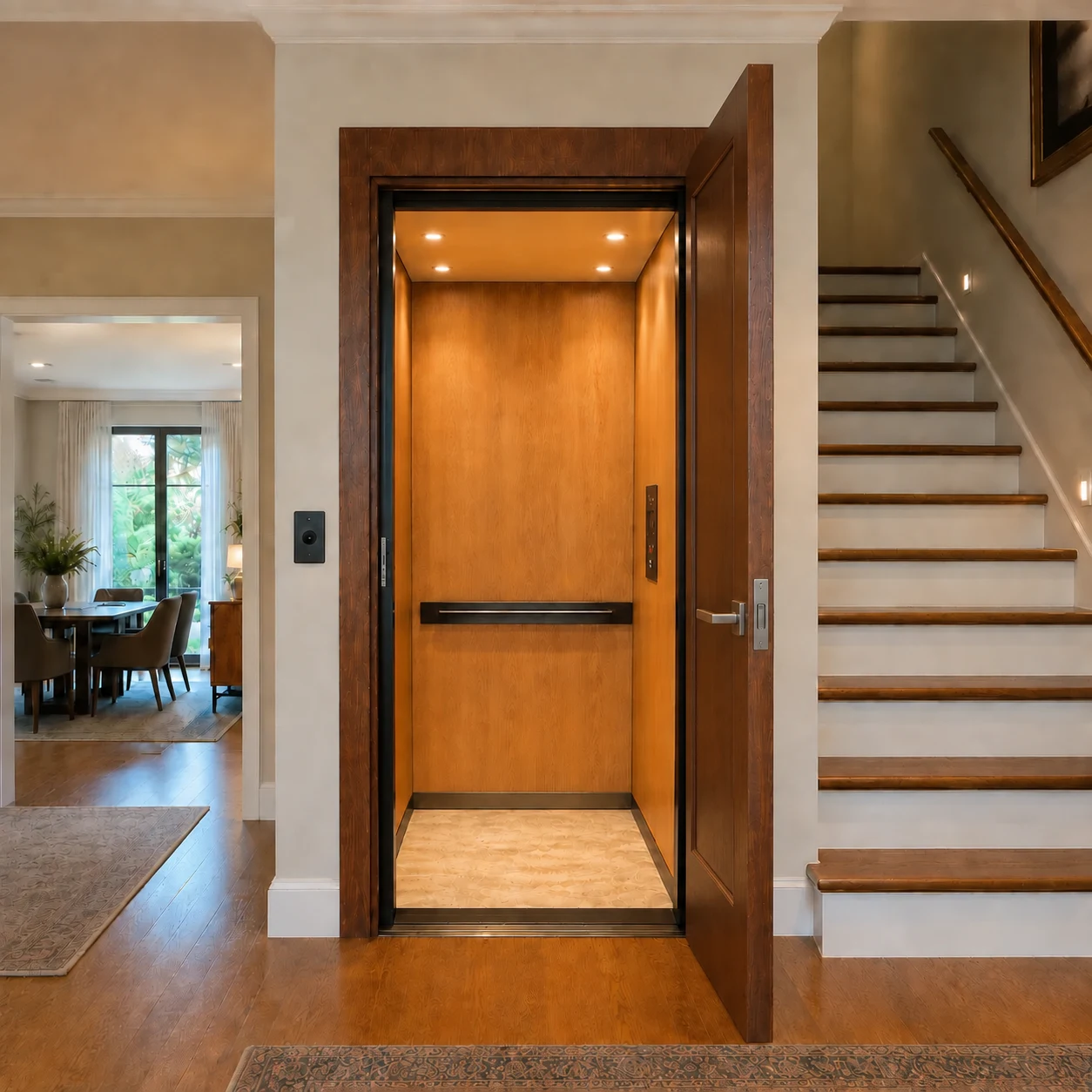
Safer for Everyone, Not Just Today
Removing Daily Risks
Stairs are where most serious falls at home happen, and a fall on the stairs is one of the most common reasons someone ends up leaving their home for good. Equipment that takes the staircase out of the daily routine removes that risk before it becomes an event.
Peace of Mind
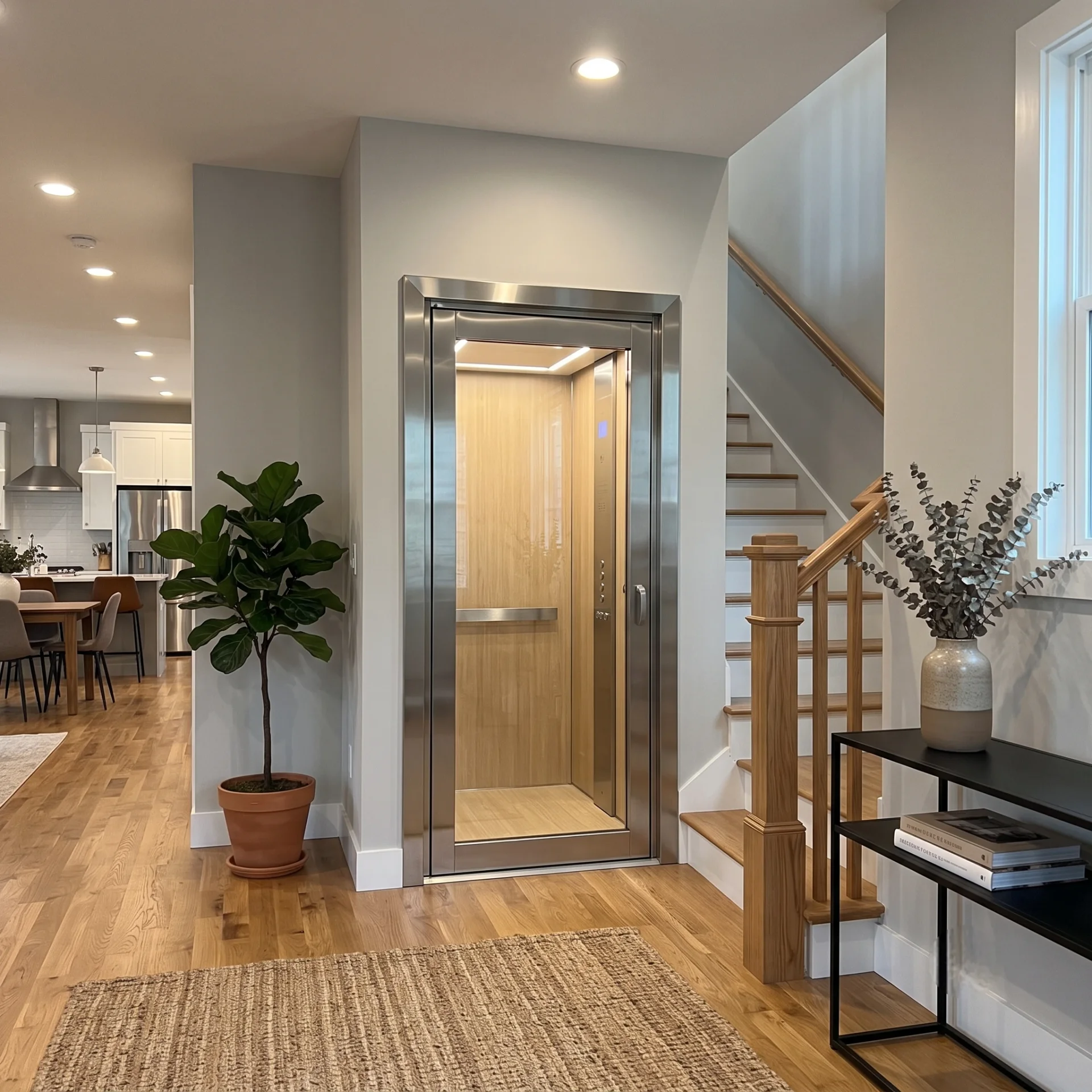
It is safer for visitors too. Grandchildren, carers, anyone who comes to help. And every piece of equipment we fit keeps working through a power cut, because the moment you most need it is not the moment it should stop.
We Are Still Here for the Long Run
Equipment that someone relies on to get around their own home has to keep working, which means it has to be serviced by someone who will still be there.
We install what we sell and we service what we install, for as long as it is needed, and we service other brands too. The same family has done this in Oregon for four generations. When the equipment needs attention years from now, the number is the same and someone answers it.
Why Oregon Families Trust Sturm
We fit everything, so we advise honestly
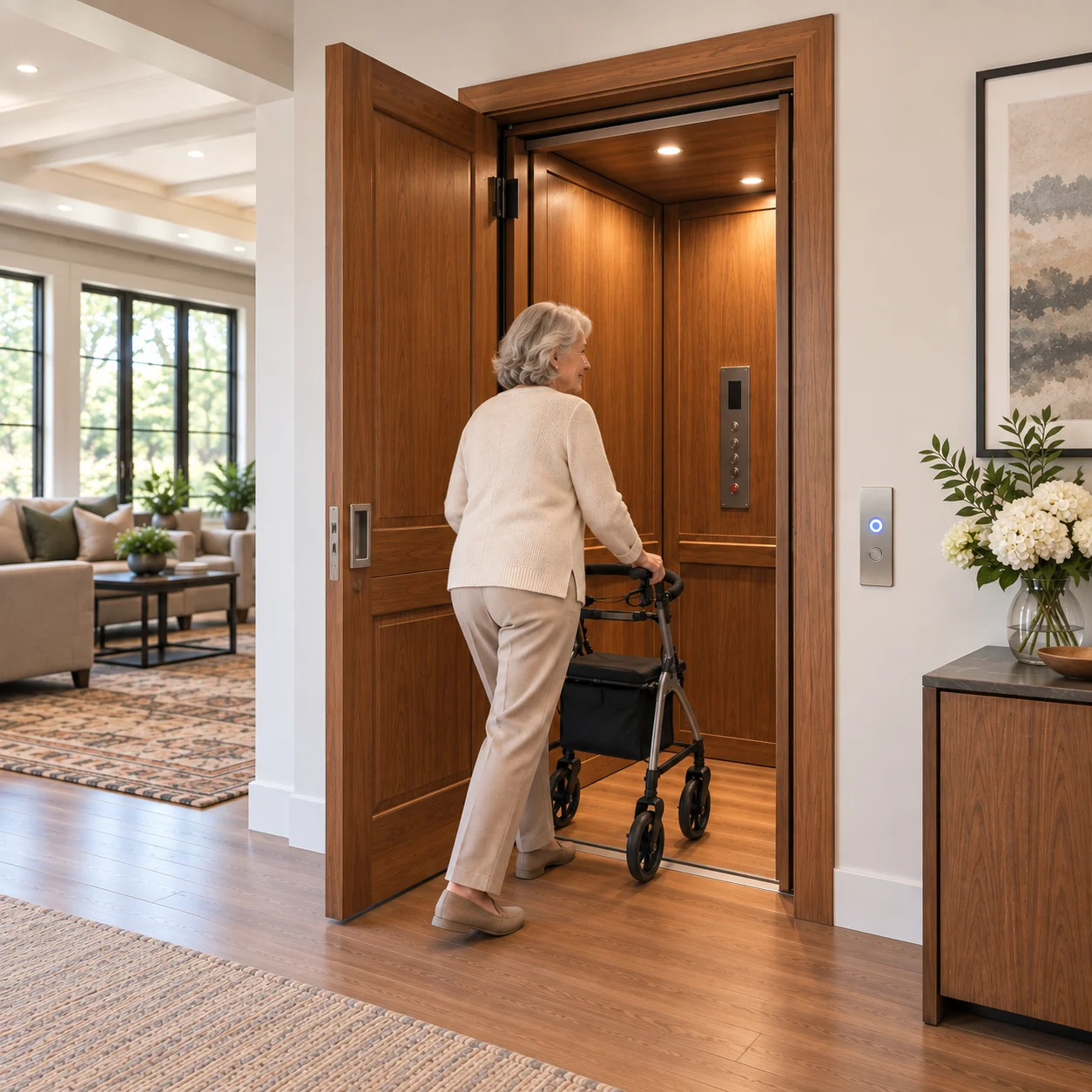
Stair lifts, platform lifts, elevators and dumbwaiters. We recommend what actually fits the person and the house, not the biggest sale.
We will tell you when you need less
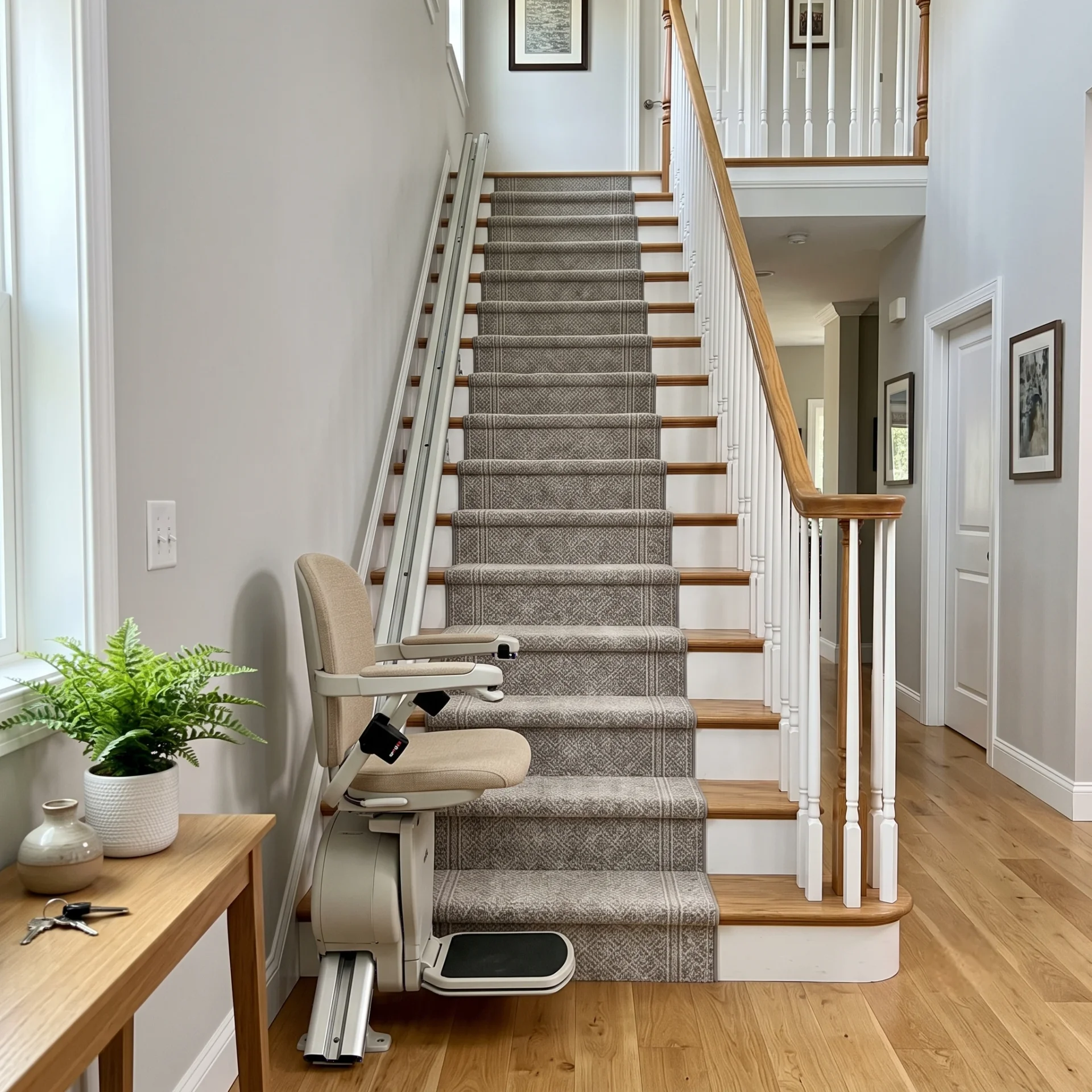
Often the answer is a stair lift, not an elevator. We would rather get it right than oversell.
We service it for life
For as long as the equipment is needed, and we service other brands too.

Four generations of Oregon families
We have had this conversation with a great many households across the state, and we understand it is rarely only about the equipment.
Helping Oregon Families Stay Home






Aging in Place Questions, Answered
It depends on the barrier. A stair lift is the most common and least expensive answer where someone can transfer to a seat. A platform lift suits a wheelchair or walker, and a home elevator keeps every floor reachable for the long term. The right choice depends on the person's mobility now and how it may change.
Ready to talk elevators?
Tell us about the home and who needs to keep getting around it. We will talk you through what fits, honestly and without pressure. Four generations of Oregon elevators behind every answer.