Required Elevator Testing in Oregon
The safety tests your elevator has to pass to stay legal to operate, carried out by licensed Oregon contractors. Some people know these as "category" tests. We run the tests, file the reports, and track when the next one is due.
What Is Required Testing, and What Are "Category" Tests?
Every commercial elevator in Oregon has to be tested on a schedule to prove its safety systems still work. The parts these tests check, the safeties, governor, brakes and buffers, sit idle until the moment they are needed. Testing is how you find out they still work before that moment comes.
You may hear these called "category" tests, numbered by how often each one falls due. That is the national code language. In practice, most Oregon owners never use those numbers. They call and say they need "their testing done," and what they mean is this:
The state logs
Updated and verified every six months.
The annual pressure test
No-load or full-load depending on the equipment.
The five-year test
Which is a rupture valve test on hydraulic elevators and a full-load test on cable elevators.
Oregon regulates this work under the Oregon Elevator Specialty Code, which adopts the ASME A17 safety codes as amended by the Building Codes Division. The tests must be carried out by a licensed elevator contractor, and the state keeps its own report forms for recording results.
Book Your TestingWhat Do Category 1, 3 and 5 Actually Mean?
If you have seen the code numbers and want to know how they map to your building, here it is straight.
Category 1 — your six-month logs and annual test
The routine periodic test, and the one that comes round most often. In Oregon this ties to your six-month log cycle and your annual no-load or full-load pressure test. It checks the operating and safety devices under normal conditions: brakes, door protection, terminal stopping devices, alarms, and the general condition of the equipment. This is what most owners mean by "my testing."
Category 3 — rarely applies here
An intermediate test specific to certain hydraulic systems. Most Oregon buildings never need it, and it is not part of the standard cycle we run. If your equipment is one of the few it applies to. Reach out to talk to an elevator expert.
Category 5 — your five-year test
The full test and the most involved. The elevator is tested at rated load and rated speed to prove the safeties, governor, buffers and brake all perform under real conditions. On hydraulic elevators, the rupture valve test forms part of this. Oregon has a dedicated report form for filing the results.
Rupture valve testingHow Often Is Each Test Required?
Intervals depend on your equipment. These are the requirements as they apply in Oregon.
Separate from the above: the Oregon Building Codes Division carries out its own operating permit inspection, scheduled by a state inspector about every two years. That is a different visit from the testing you arrange through a contractor.
Tests falling due at different times across a building is how most owners lose track. We keep the schedule and call ahead when something is coming up.
Other Testing Your Elevator May Need
Why Oregon Buildings Book Their Testing With Us
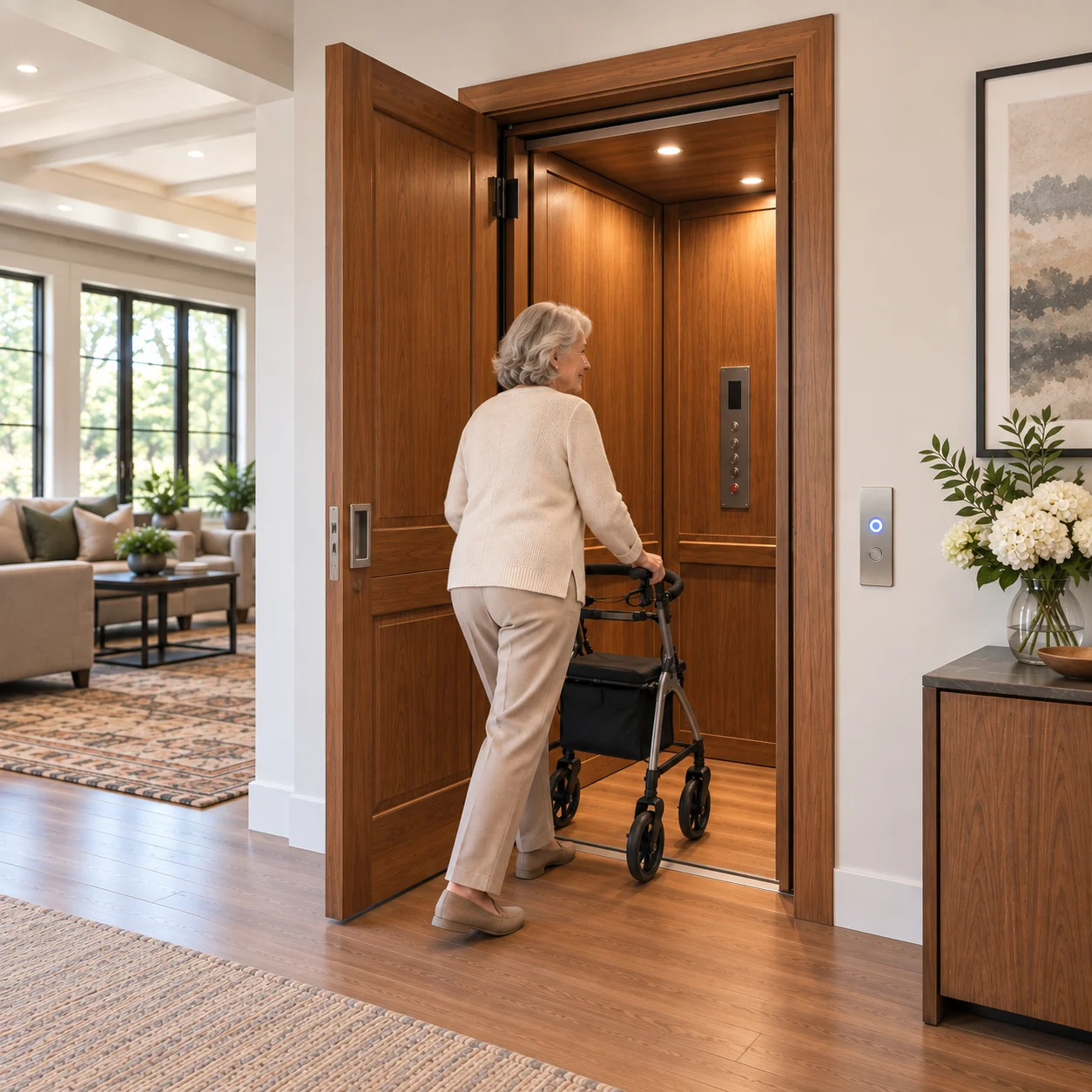
Required testing must be carried out by a licensed elevator contractor. We hold Oregon licensing and our technicians are certified journeymen.
We file the paperwork properly
A test that is done but badly documented causes problems later. We complete the required reports.
We track your dates
Six-month logs, annual test, five-year test and quarterly fire service all fall due at different points.
No lock-in required
Book a single test if that is all you need, or set up an open-ended arrangement where we come out as tests fall due, cancellable any time.
We test older equipment
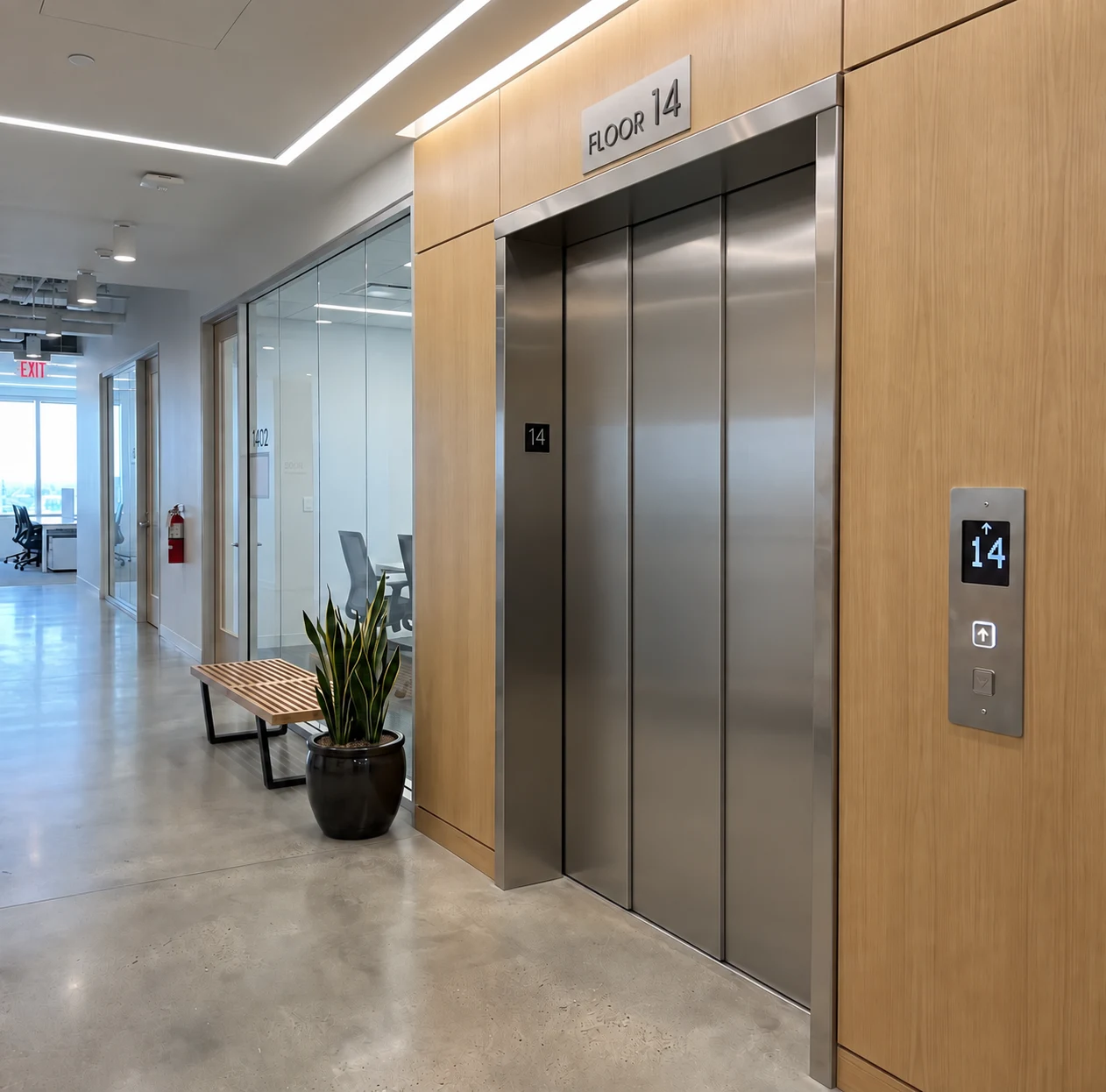
Four generations in Oregon means we have tested most of what is still running here, including equipment that predates current systems.
Category Testing Across Oregon
We carry out category testing for buildings in all six regions.
Not sure if we reach you? Call us. We cover the whole state.






Required Testing Questions, Answered
It is the plain name for the tests Oregon requires to keep your elevator legal to operate: your six-month log verification and your annual pressure test, plus the five-year test on its own clock. Some contractors use code numbers. Most owners just call it "my testing."
Ready to Talk Elevator Testing?
Tell us what equipment you have and when it was last tested. We will tell you what is due and when we can be there. Four generations of Oregon elevators behind every answer.